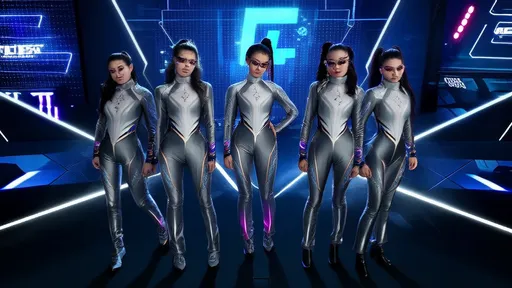
The rise of women's esports teams has ushered in a new era of fan engagement, where traditional models of fandom are being rewritten. Unlike their male-dominated counterparts, female gaming squads are pioneering innovative approaches to monetizing their fanbases through emotional connectivity, lifestyle integration, and participatory economics. This seismic shift in how fans interact with their favorite players is reshaping the entire ecosystem of competitive gaming.
At the heart of this revolution lies the unique relationship between female gamers and their predominantly young, digitally-native audience. Where male esports organizations often rely on tournament winnings and sponsor deals, women's teams are building empires through microtransactions, virtual gifting during livestreams, and exclusive digital collectibles. The intimacy of these interactions creates a powerful sense of community that transcends traditional spectator sports.
The merchandise landscape tells a compelling story. While traditional esports jerseys gather dust on shelves, female-led teams are moving limited-edition cosmetic collaborations with indie designers. These aren't just logos slapped on hoodies - they're wearable statements that blend gaming aesthetics with streetwear sensibilities. The recent drop by Team Lunar's tie-up with Seoul-based designer Mina Choi sold out in 37 seconds, with resale prices currently sitting at 800% markup.
Platforms like Douyin and Twitch have become laboratories for experimental monetization. Female streamers are pioneering "interactive subscriptions" where fans don't just watch, but influence gameplay decisions through micropayments. This gamification of viewership has led to astonishing ARPU figures - the top 5% of women's esports creators now generate more per viewer than entire mid-tier men's teams.
What's particularly fascinating is how these teams are leveraging their cultural capital beyond gaming. The most successful organizations have become lifestyle brands, curating everything from makeup palettes to meditation apps. Team Siren's recent foray into mental wellness content demonstrates this perfectly - their "Gamer's Guide to Mindfulness" podcast consistently charts in the top 10 across major platforms, despite having zero direct connection to competitive play.
The data reveals surprising demographic shifts. Contrary to industry assumptions, nearly 42% of premium subscribers to women's team content are male, with the highest concentration in the 25-34 age bracket. This challenges the outdated notion that female esports appeal exclusively to young women. The spending patterns suggest these fans aren't just spectators, but active participants in building the teams' ecosystems.
Virtual economies represent perhaps the most exciting frontier. Forward-thinking organizations are creating cross-platform digital identities where fan avatars can show team allegiance across games, social media, and even financial transactions. The experimental "Badge" system by VCT Game Changers allows supporters to accumulate and display their engagement history as blockchain-verified achievements - a concept that's already being copied by traditional sports franchises.
As this space matures, we're seeing the emergence of sophisticated fan segmentation strategies. Elite teams now maintain detailed behavioral profiles that go far beyond basic demographics, enabling hyper-personalized engagement. The level of customization would make Fortune 500 CMOs blush - from dynamically generated content to AI-powered fan service interfaces that learn individual preferences in real-time.
The psychological aspect cannot be overstated. Female esports organizations have mastered the art of parasocial relationship building at scale. Through carefully curated behind-the-scenes content, handwritten thank-you notes (digitally delivered, of course), and exclusive "inner circle" experiences, they've created emotional bonds that translate directly to revenue. The metrics speak volumes - retention rates for premium fan club memberships hover around 87%, dwarfing traditional sports season ticket holder figures.
Looking ahead, the next evolution appears to be in spatial computing. Early experiments with AR fan experiences suggest we're on the cusp of immersive engagement that blends physical and digital spaces. Imagine attending a virtual meet-and-greet where your favorite player's hologram recognizes your support history and tailors the interaction accordingly. The technology exists - it's now about creative execution at scale.
This isn't just about alternative revenue streams anymore. The most successful women's esports organizations are proving that fan economics can become the primary business model, reducing reliance on the volatile world of tournament payouts. In doing so, they're writing the playbook for the next generation of entertainment properties across all genres. The lesson is clear: in the attention economy, emotional connection converts better than raw skill alone.
The implications extend far beyond gaming. Media companies, sports franchises, and even traditional businesses are taking notes on how these female-led organizations build such devoted communities. At its core, this movement represents a fundamental shift in how public figures and organizations cultivate fandoms - not as passive audiences, but as active co-creators of value. The future of entertainment monetization may well be forged not in boardrooms, but in the chat channels and virtual spaces where these revolutionary fan relationships first took root.

By /Jul 29, 2025

By /Jul 29, 2025

By /Jul 29, 2025

By /Jul 29, 2025

By /Jul 29, 2025
By /Jul 29, 2025
By /Jul 29, 2025
By /Jul 29, 2025
By /Jul 29, 2025
By /Jul 29, 2025

By /Jul 29, 2025

By /Jul 29, 2025

By /Jul 29, 2025
By /Jul 29, 2025
By /Jul 29, 2025
By /Jul 29, 2025

By /Jul 29, 2025
By /Jul 29, 2025
By /Jul 29, 2025

By /Jul 29, 2025
