The world of competitive sports is increasingly recognizing the pivotal role of nutrition in developing young athletes. Youth training camps across the globe are now implementing scientifically-backed dietary programs that go far beyond basic meal planning. These nutritional blueprints represent a paradigm shift in how we approach athletic development during critical growth periods.
Breaking with tradition, modern youth sports nutrition has moved away from the outdated "eat more to perform better" mentality. Today's programs are meticulously designed based on cutting-edge research in pediatric exercise physiology, biochemistry, and chrononutrition. The most advanced camps employ registered dietitians who create individualized plans accounting for each athlete's sport, position, growth stage, metabolic rate, and even genetic predispositions.
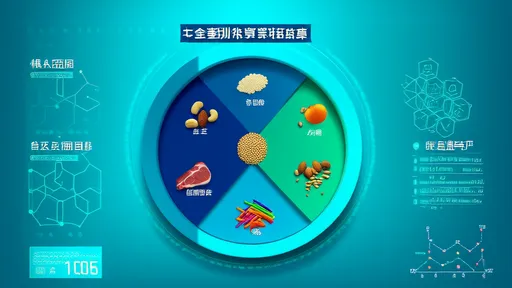
At the core of these programs lies the principle of nutrient timing. Macronutrients are strategically distributed throughout the day to align with training schedules and recovery windows. High-quality proteins feature prominently in post-workout meals to facilitate muscle repair, while complex carbohydrates are emphasized during pre-training periods to ensure optimal glycogen stores. Healthy fats play their part in supporting hormone production and joint health during rest periods.
The hydration protocols in elite youth camps have become remarkably sophisticated. Gone are the days of simply drinking when thirsty. Current systems incorporate electrolyte-balanced fluids tailored to sweat rates, environmental conditions, and training intensity. Some programs even utilize bioimpedance analysis to monitor hydration status at the cellular level, adjusting fluid intake accordingly.
Micronutrient optimization represents another frontier in youth sports nutrition. Progressive camps conduct regular blood tests to identify and address potential deficiencies in iron, vitamin D, or B-complex vitamins that could impair performance or growth. Antioxidant-rich foods are strategically included to combat exercise-induced oxidative stress, while calcium and vitamin K are emphasized for bone development in young athletes.
What truly sets apart contemporary nutritional programs is their integration with other aspects of athlete development. Nutritionists work in tandem with sleep specialists to ensure dietary patterns support circadian rhythms and recovery. They collaborate with sports psychologists to address any disordered eating patterns or performance anxieties related to food. This holistic approach recognizes that optimal nutrition extends far beyond the plate.
The implementation of these programs requires careful consideration of practical realities. Camp kitchens have evolved into high-performance nutrition centers where meals are prepared with the precision of pharmaceutical formulations. Staff receive specialized training in adolescent nutrition needs and eating behaviors. Even the dining environment is designed to promote positive relationships with food while meeting performance objectives.
Cultural adaptability has become a hallmark of successful programs. As youth camps become increasingly international, dietary plans must respect various culinary traditions while meeting scientific requirements. This delicate balance has led to innovative fusion menus that maintain cultural authenticity while delivering precise nutritional profiles.
Technology plays an increasingly prominent role in modern youth sports nutrition. Mobile apps track individual intake and provide real-time feedback. Wearable devices monitor how athletes respond to different nutritional strategies. Some forward-thinking camps are even experimenting with nutrigenomics - tailoring diets based on genetic testing to maximize each young athlete's potential.
The results of these comprehensive nutritional programs speak for themselves. Participating athletes demonstrate improved recovery rates, better injury resilience, more consistent energy levels, and ultimately, enhanced performance. Perhaps most importantly, they develop lifelong healthy eating habits and a profound understanding of how nutrition fuels both athletic and personal growth.
As research continues to evolve, so too will these nutritional strategies. The youth camps at the forefront of this movement are not just creating better athletes - they're pioneering a new standard in holistic youth development. Their work underscores a fundamental truth: in the arena of competitive sports, the foundation of excellence is built not just on the field, but at the dining table.
The science of youth sports nutrition has reached an exciting inflection point. What began as simple dietary guidelines has transformed into a sophisticated discipline that intersects with exercise science, biochemistry, and behavioral psychology. For the next generation of athletes, this means access to nutritional support that was previously only available at the professional level.
Looking ahead, the field promises even more personalized approaches as technologies like continuous glucose monitoring and microbiome analysis become more accessible. The youth camps embracing these innovations today are writing the playbook for the athletic development programs of tomorrow - one scientifically-balanced meal at a time.

By /Jul 29, 2025

By /Jul 29, 2025
By /Jul 29, 2025

By /Jul 29, 2025

By /Jul 29, 2025
By /Jul 29, 2025

By /Jul 29, 2025

By /Jul 29, 2025

By /Jul 29, 2025

By /Jul 29, 2025

By /Jul 29, 2025

By /Jul 29, 2025

By /Jul 29, 2025

By /Jul 29, 2025

By /Jul 29, 2025

By /Jul 29, 2025

By /Jul 29, 2025

By /Jul 29, 2025

By /Jul 29, 2025

By /Jul 29, 2025
